Choosing cabinets feels like one of the biggest decisions in kitchen design. You’re committing to something you’ll see and use every single day. The pressure to get it right can keep you up at night. Two cabinet styles dominate modern kitchens across the Milwaukee. Both have passionate supporters who swear by their choice. Understanding what makes each special helps you decide which suits your space better. Your cabinet doors set the tone for your entire kitchen. They’re the largest visual element in the room. Get this decision right and everything else falls into place naturally.
Flat panel cabinets have surged in popularity over the past decade. Their clean, minimalist aesthetic appeals to homeowners seeking contemporary elegance. They create seamless, uncluttered looks that feel fresh and modern. These sleek doors feature smooth surfaces without raised details or frames. The simplicity creates sophisticated spaces that emphasize other design elements. Many designers call them the perfect backdrop for statement countertops or dramatic backsplashes.
Understanding Design Fundamentals
Cabinet door styles evolved from practical construction methods. Traditional woodworking created frame-and-panel designs for good reasons. The frames provided structural support while panels could expand and contract with humidity changes. Modern manufacturing techniques freed designers from these constraints. Engineered materials remain stable regardless of moisture levels. This stability enabled entirely new aesthetic directions that earlier craftspeople couldn’t achieve.
Today’s choices reflect personal taste more than technical limitations. Both major styles deliver excellent durability and functionality. Your decision comes down to which aesthetic resonates with your vision.
Think about the overall feeling you want in your kitchen. Do you gravitate toward clean minimalism or classic warmth? Your instinctive preferences guide you toward the right choice. Consider your home’s architectural style too. Contemporary homes naturally suit modern cabinet styles. Traditional architecture often looks best with time-tested designs.
Exploring Minimalist Design
Sleek, frameless doors create ultra-modern aesthetics. The absence of visible hardware enhances the streamlined appearance. Push-to-open mechanisms eliminate handles entirely for maximum minimalism. This style works beautifully in open-concept spaces. The simplicity doesn’t compete with other design elements. Kitchens flow seamlessly into adjacent living areas without visual disruption. Color choices dramatically impact the overall effect. High-gloss finishes amplify the contemporary feel. Matte surfaces provide understated elegance that feels equally modern but more approachable.
Light colors maximize the airy, spacious sensation. White, light gray, and soft neutrals remain most popular. Dark colors create dramatic statements that work in larger spaces with ample lighting. Maintenance considerations vary with finish selections. Glossy surfaces show fingerprints more readily than matte alternatives. Families with young children often prefer finishes that hide everyday wear better.
Examining Classic Appeal
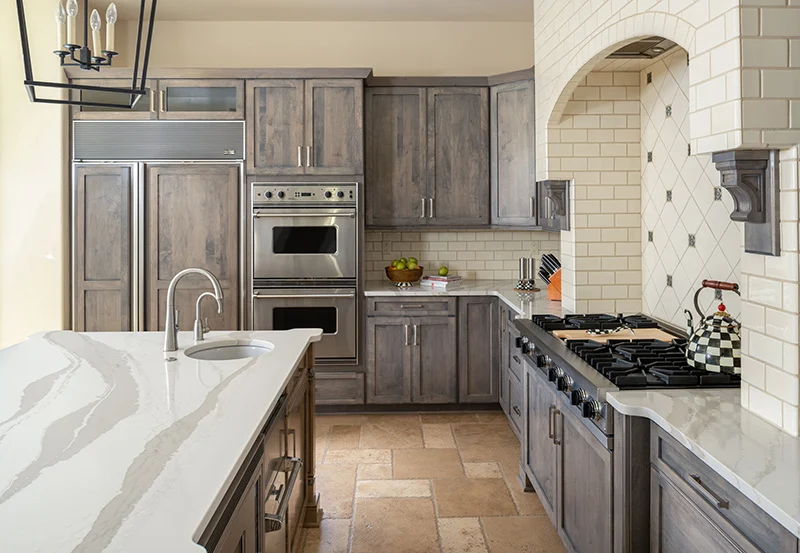
Traditional frame-and-panel construction has endured for centuries. The design creates visual interest through dimensional depth. Light and shadow play across the surfaces, adding character. This construction style bridges traditional and contemporary design successfully. It works in farmhouse kitchens, transitional spaces, and even some modern homes. That versatility explains its lasting popularity nationwide. The frame creates a border around the recessed center panel. This simple detail adds sophistication without overwhelming spaces. The proportions feel balanced and pleasing to the eye naturally. Color options suit every preference and style. Painted finishes in any color you can imagine work beautifully. Natural wood stains showcase grain patterns and organic beauty. The detail level remains modest compared to ornate traditional styles. No elaborate carvings or complex moldings complicate the design. This restraint makes it remarkably adaptable across different aesthetics.
Comparing Style Characteristics
The shaker cabinets vs flat panel debate really comes down to personal preference. Neither choice is objectively better or worse. Each excels in different situations and suits different tastes. Textural differences create distinct visual effects. Smooth surfaces reflect light uniformly across entire door faces. Frame-and-panel designs create subtle depth that adds dimension. Scale considerations influence how each style reads in your space. Larger kitchens accommodate either style easily. Smaller spaces sometimes feel less cluttered with simpler door styles. Detail visibility matters when selecting between options. Raised details show more prominently in lighter colors. Darker finishes minimize the dimensional differences somewhat. Your existing décor might point you toward one style naturally. Contemporary furnishings pair effortlessly with streamlined cabinets. Traditional furniture feels more cohesive with frame-and-panel designs.
Considering Practical Factors
Cleaning requirements differ slightly between the two styles. Completely smooth surfaces wipe clean quickly and easily. Frame-and-panel joints collect slightly more dust over time. The difference isn’t dramatic enough to drive decisions alone. Both styles clean up perfectly fine with normal kitchen maintenance. Don’t let this factor outweigh aesthetic preferences. Pricing varies more by construction quality than door style. Both options are available across all price ranges. Premium versions of either cost similarly in most markets. Custom options add costs regardless of which style you choose. Stock cabinets in either design offer budget-friendly alternatives. Semi-custom cabinets balance personalization with reasonable pricing.
Evaluating Longevity
Timeless appeal matters when making permanent design decisions. You’ll live with these cabinets for years or decades. Choosing styles that age gracefully prevents expensive regrets. Frame-and-panel designs have proven staying power. They’ve remained popular for over a century across multiple style movements. This longevity suggests they’ll continue looking appropriate indefinitely. Contemporary smooth-door styles face more uncertainty regarding long-term relevance. Ultra-modern aesthetics sometimes date themselves more quickly. However, clean simplicity has its own timeless quality. Your personal comfort matters most in your own home. Don’t choose something solely for resale value if you won’t enjoy it. Living happily in your space trumps theoretical future buyers’ preferences.
Mixing Styles Successfully
Some homeowners combine both styles within single kitchens. Different door styles on islands versus perimeter cabinets creates visual interest. This approach requires careful planning to avoid clashing aesthetics. Professional kitchen design services help execute mixed-style approaches successfully. Experienced designers know which combinations work and which feel disjointed. Their expertise prevents expensive mistakes. Using smooth doors on lower cabinets with frame-and-panel uppers sometimes works. The reverse combination can also succeed in the right context. Consider how different heights affect visual weight. Open shelving breaks up expansive cabinet runs regardless of door style. Strategic open sections add breathing room and display space. This technique works beautifully with either cabinet type.
Selecting Appropriate Hardware
Handle and knob choices dramatically influence final appearances. Modern pulls emphasize sleek door styles perfectly. Traditional hardware might clash with ultra-contemporary cabinets. Frame-and-panel doors accommodate any hardware style successfully. Modern pulls create transitional aesthetics. Traditional knobs emphasize classic character.
Handleless designs work exclusively with smooth-door styles. Integrated pulls route into door edges for seamless appearances. These details amplify the minimalist aesthetic beautifully. Finish coordination matters tremendously with visible hardware. Matte black suits contemporary spaces while brushed nickel feels more traditional. Ensure hardware complements your faucet and lighting fixtures.
Understanding Regional Preferences
Different areas across the United States show varying style preferences. Coastal regions often embrace more contemporary designs. Traditional styles remain stronger in certain interior regions. Local real estate markets reflect these geographical preferences. Understanding your area’s tastes matters if resale concerns you. However, personal satisfaction should outweigh market trends. Climate doesn’t significantly affect which style performs better. Both handle temperature and humidity variations equally well. Choose based on aesthetics rather than environmental factors. Urban areas typically see more contemporary choices. Suburban homes often lean slightly more traditional. These generalizations have plenty of exceptions though.
Coordinating With Other Elements
Countertop selections interact with cabinet door styles. Busy stone patterns pair better with simpler cabinet designs. Elaborate door details look best against subtle counter patterns. Backsplash choices similarly affect overall balance. Intricate tile patterns can overwhelm when combined with detailed cabinets. Simple subway tiles work with virtually any cabinet style. Flooring creates another layer of visual interaction. Wood floors add warmth that balances contemporary cabinets beautifully. Tile floors work well with either cabinet style. Upgrade your kitchen aesthetic by ensuring all elements work together harmoniously. Each choice affects how others appear in the finished space.
Making Your Final Decision
Visit showrooms to see both styles in person. Photos don’t capture dimensional qualities accurately. Touching and seeing actual doors helps clarify preferences. Bring paint samples, countertop samples, and flooring materials with you. Seeing everything together prevents mismatches. Colors look dramatically different under various lighting conditions. Consider your cooking and lifestyle habits honestly. Heavy kitchen users need durable, easy-to-clean surfaces. Occasional cooks might prioritize aesthetics over extreme practicality. Trust your instincts when something feels right. You’ll know when you find the perfect match for your vision. Don’t overthink decisions to the point of paralysis. Think about how long you’ll live in your current home. Shorter timelines might favor broadly appealing choices. Staying for decades means you can be more personally expressive.
Working With Professionals
Kitchen designers bring invaluable perspective to these decisions. They’ve seen how different choices perform in real homes. Their experience helps you avoid common pitfalls.Get multiple opinions before committing to significant investments. Different designers offer varying perspectives and approaches. Finding someone whose aesthetic aligns with yours matters tremendously.
Ask to see photos of completed projects using each style. Real installations provide better references than showroom displays. Notice how cabinet choices affected the overall kitchen atmosphere. Discuss your lifestyle, preferences, and concerns thoroughly with designers. The more they understand your situation, the better they can guide you. Good communication produces better results.
Planning Your Timeline
Cabinet lead times vary significantly by manufacturer and customization level. Stock cabinets ship within days or weeks. Custom cabinets require months from order to delivery.Plan accordingly to avoid rushed decisions or project delays. Starting the selection process early reduces stress significantly. Last-minute choices often lead to compromises you’ll regret. Order samples of your top choices if possible. Living with samples helps confirm selections before committing. Colors look different in your actual kitchen versus showrooms.
FAQ
Which cabinet style costs more?
Neither style inherently costs more. Prices depend on construction quality, materials, and manufacturer rather than door style. Both are available across all price ranges.
Do flat panel cabinets look dated?
Clean, simple designs have proven timeless appeal. While ultra-modern aesthetics can sometimes date, well-designed smooth doors maintain relevance across decades.
Are frame-and-panel cabinets harder to clean?
Only slightly. The joints collect minimal extra dust that wipes away easily. The difference won’t significantly impact your cleaning routine.
Can I paint either style?
Absolutely. Both styles accept paint beautifully. Smooth surfaces show paint most evenly while frame-and-panel details create subtle dimension.
Which works better in small kitchens?
Smooth doors often feel less busy in compact spaces. However, light-colored frame-and-panel cabinets work beautifully too. Color choice matters more than style.
Do these styles affect resale value?
Quality cabinets in either style boost home value. Choose based on your local market preferences if resale concerns you significantly.
How do I choose between them?
Consider your home’s architectural style, personal aesthetic preferences, and overall design vision. Visit showrooms to see actual examples before deciding.
Can I mix both styles?
Yes, with careful planning. Using different styles on islands versus perimeter cabinets can work. Professional design guidance helps execute this successfully.