
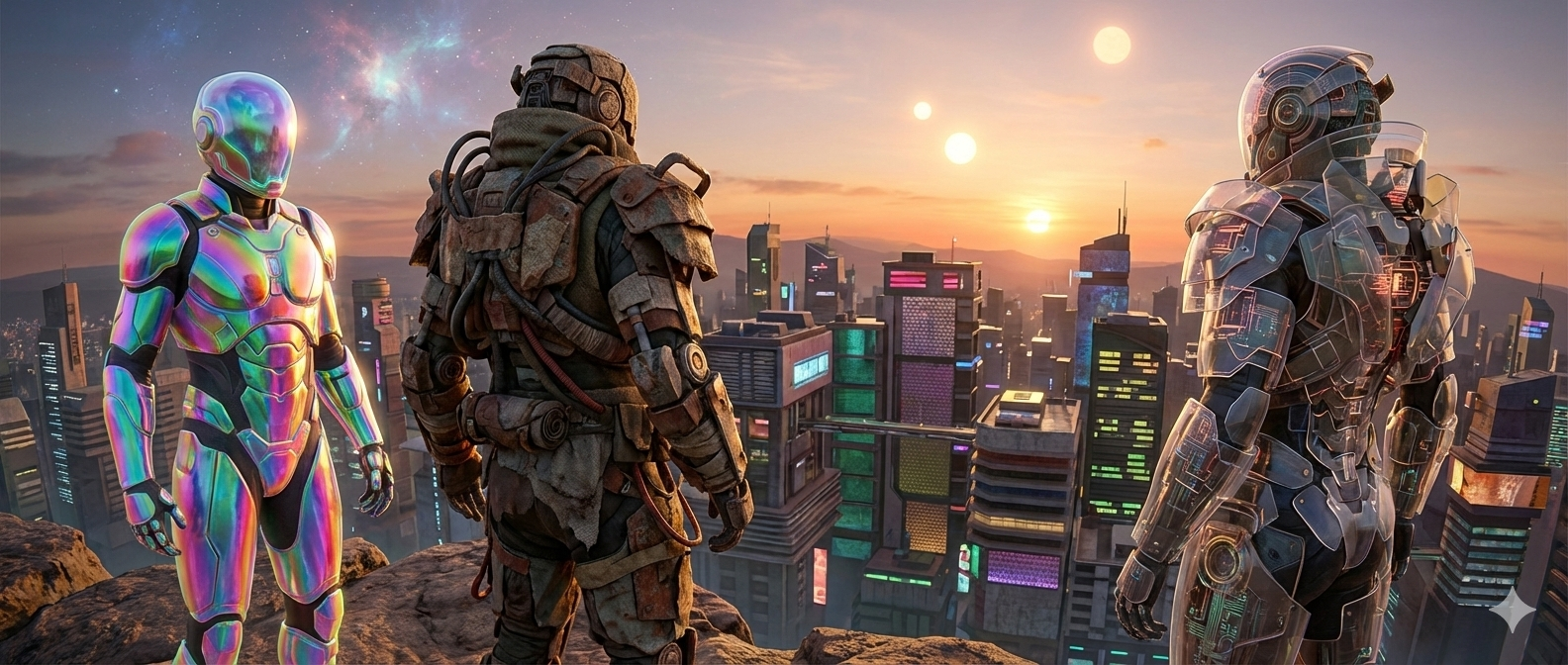
Sci-fi characters often feel real because their clothing feels believable. The colors make sense. The layers look useful. The materials feel like they belong in that world. Nothing looks added just for style. That’s why these designs stick. They aren’t trying to stand out. They’re built to support the story. You see this reflected in casual jacket conversations on places like Leatherly Hub, where people talk less about fashion and more about how certain outfits feel tied to characters. Color, texture, and layering work quietly in the background. Together, they shape how sci-fi characters are understood, even before the story fully unfolds.
Texture and Material Choices in Sci-Fi Costumes
Once color pulls you in, texture keeps you there. It’s what makes sci-fi outfits feel touchable instead of costume-like.
Why Texture Makes Characters Feel Real
Smooth surfaces feel advanced. Rough textures feel lived-in. Sci-fi mixes both to balance the future and reality. Leather creases. Fabric wrinkles. Armor gets scratched. These details show the character movements, fights, and survival. They don’t just pose. This is why Guardians of the Galaxy Outfits work so well, as they don’t look freshly made. They look used, repaired, and trusted.
Worn vs Polished Textures
Polished textures usually belong to systems of power. Clean armor. Shiny coats. Perfect fits. They suggest control. Worn textures, on the other hand, feel personal. They show history. You can almost guess what a character has been through just by looking at the scuffs. Honestly, worn textures feel more relatable. Perfect clothing rarely tells a good story.
Technology Through Materials
Sci-fi also uses texture to hint at technology. Smart fabrics. Hybrid materials. Armor that bends instead of breaks. You might not understand how it works, but you feel that it does. And that’s enough. Sometimes that mystery is the point. When materials look flexible yet strong, worn but advanced, your brain fills in the gaps and accepts the future without needing an explanation.
The Role of Color in Sci-Fi Character Design
Color is usually the first thing we register. Before we understand the world, the tech, or the rules, color quietly gives us hints.
How Color Signals Alignment and Morality
Think about it. Dark tones often feel heavy, serious, or guarded. Lighter shades feel hopeful or open. Sci-fi leans into that without making it obvious. A hero doesn’t always wear white. Sometimes they wear muted colors that feel practical, like they’ve seen things. Villains aren’t always dressed in black, either. Sometimes they look clean, controlled, almost calm. That contrast messes with expectations in a good way.
Futuristic Palettes vs Earth-Inspired Tones
Here’s where it gets interesting. Futuristic worlds love metallics, cool grays, silvers, and sharp blues. They feel advanced. A little distant. On the other hand, characters who are meant to feel human often wear earth tones. Browns. Greens. Washed blues. Those colors ground them emotionally. It’s subtle, but it works. You feel closer to them, even in space.
Color as a Tool for World-Building
Color doesn’t just shape characters. It ties them to their world. In Star Wars, desert tones blend characters into harsh landscapes, while stark whites and blacks reflect rigid systems. In Blade Runner 2049, neon colors clash with darkness, making the world feel crowded and lonely at the same time. Color becomes atmosphere. And atmosphere sticks.
The Power of Layering in Sci-Fi Character Outfits
Layers are where sci-fi design really shines. They add depth, purpose, and personality all at once.
Layers as a Sign of Survival and Utility
Jackets over suits. Vests over shirts. Armor plates stacked just enough to look protective without slowing movement. Layering suggests readiness. The character could step into danger at any moment. It feels practical, not decorative. It’s the kind of outfit choice that quietly says they’ve planned for things to go wrong.
Visual Depth and Silhouette
Layers change how a character reads from far away. Strong silhouettes matter. You recognize them instantly. Capes. Long coats. Structured shoulders. These shapes stick in your memory even when details fade. Even in a quick scene or a distant shot, those outlines do most of the storytelling on their own.
Layering Across Different Sci-Fi Genres
Cyberpunk loves tight layers that feel restrictive. Space operas lean toward flowing outerwear. Dystopian worlds favor bulky, protective fits. Look at The Matrix and how clean, layered coats reinforce control and identity. Then compare that to The Mandalorian, where armor and fabric layers reflect survival and tradition. Same concept. Very different feeling.
How Color, Texture, and Layers Work Together
On their own, these elements are strong. Together, they’re powerful.
Creating Emotional Connection Through Design
When color feels right, texture feels honest, and layers feel practical, the character becomes believable. You stop seeing clothes. You see personality. That’s why fans connect emotionally. The outfit feels like part of the character, not something they put on for a scene. It’s almost like the clothing has been through the story with them, picking up meaning along the way.
Consistency Across Character Arcs
Great sci-fi doesn’t reset outfits every episode. Clothing evolves. Colors darken. Textures roughen. Layers shift. Those changes quietly mirror growth, loss, or resilience. You might not notice it consciously, but you feel it. Over time, the outfit starts acting like a visual diary, marking where the character has been without saying a word.
Influence of Sci-Fi Character Design on Real-World Fashion
Sci-fi doesn’t stay on screen. It leaks into everyday style more than people realize.
From Screen to Streetwear
Long coats. Utility jackets. Minimal colors. Layered fits. These ideas show up everywhere now. Sci-fi normalized clothing that feels functional but expressive. People want outfits that feel useful and meaningful. Sci-fi understood that early. You can see it in everyday outfits that borrow just a hint of that future-ready attitude without going full costume. It’s subtle, but once you notice it, it’s hard to miss.
Why Sci-Fi Fashion Feels Timeless
Trends fade. Purpose doesn’t. Sci-fi clothing is built around survival, movement, and identity. That’s why it keeps coming back in new forms. When fashion tells a story, it lasts. As long as people want their clothes to mean something, sci-fi style will always find its way back in.
Final Thought
Sci-fi character design isn’t about flash. It’s about feeling. Color sets the mood. Texture adds truth. Layers bring life. When those pieces come together, characters stop feeling fictional. They feel familiar. Like someone you’ve known, or maybe someone you could become. And that’s why we keep watching. Even after the story ends, those visuals linger in your mind, quietly tied to emotion and memory. It’s the kind of design that stays with you, long after the screen goes dark.