
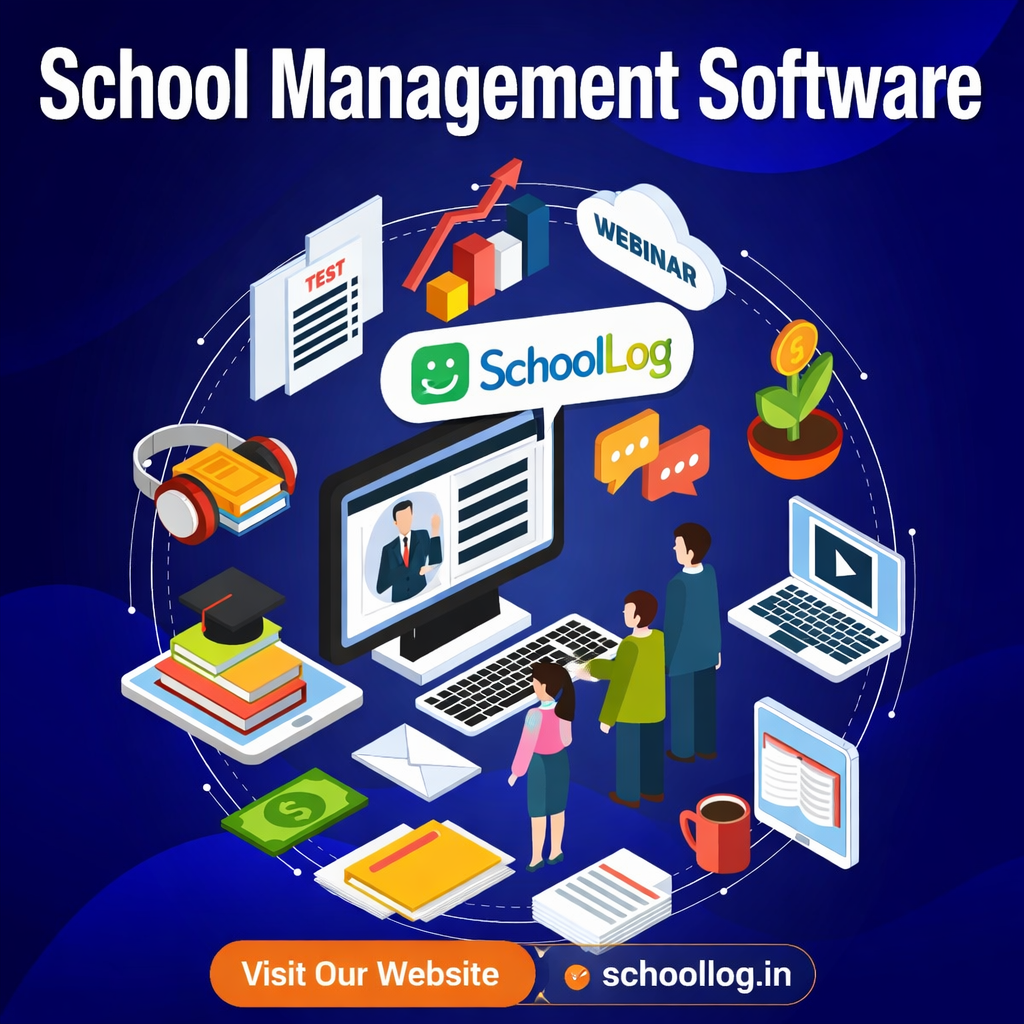
In recent years, Indian schools have undergone a quiet yet significant transformation. Administrative desks once piled high with registers are now giving way to dashboards, analytics, and real-time communication tools. At the heart of this change lies School management software a digital backbone that helps institutions operate efficiently while meeting the expectations of modern parents, teachers, and students. As we move into 2026, choosing the right platform is no longer a technical decision alone; it is a strategic investment in the school’s future.
This buyer’s guide is designed to help school leaders, administrators, and education entrepreneurs understand what truly matters when selecting a school management system in India.
Why School Management Software Is Essential in 2026
Indian education is evolving rapidly, influenced by policy reforms, digital literacy initiatives, and rising parental involvement. Schools are expected to deliver transparency, accountability, and academic excellence—all while managing limited resources.
Key Drivers of Adoption
- Growing student populations and multi-campus schools
- Increased demand for parent-teacher communication
- Compliance with CBSE, ICSE, and state board reporting norms
- Integration of online learning and hybrid classrooms
Digital platforms help reduce manual errors, save time, and improve decision-making through data visibility. UNESCO and NCERT publications consistently highlight the role of digital systems in strengthening institutional governance and learning outcomes, especially in developing education ecosystems like India.
What Defines Top School Management Software in India
Not all platforms are built with Indian schools in mind. The best solutions balance global best practices with local requirements such as fee structures, attendance patterns, and regulatory frameworks.
Core Features to Look For
1. Academic & Classroom Management
- Student enrollment and profiles
- Attendance tracking (daily and period-wise)
- Examination, grading, and report card automation
2. Fee & Finance Management
- Flexible fee structures (monthly, quarterly, annual)
- Online payment gateways with automated receipts
- Financial reports aligned with Indian accounting norms
3. Communication & Engagement Tools
- Mobile app notifications for parents
- SMS and email alerts for attendance, exams, and events
- Secure parent-teacher messaging
4. Staff & HR Management
- Teacher attendance and payroll
- Timetable scheduling
- Performance tracking and workload analysis
Advanced Capabilities Gaining Importance in 2026
Data Security and Compliance
With increasing awareness around student data protection, schools now prioritize platforms that follow strong encryption practices and comply with emerging data privacy standards.
Analytics and Smart Reporting
Dashboards that present trends in attendance, academic performance, and fee collection allow school leaders to make informed decisions rather than relying on intuition alone.
Integration with Learning Tools
Modern school systems integrate seamlessly with Learning Management Systems (LMS), enabling blended learning models without juggling multiple platforms.
SchoolLog: A Reliable Choice for Indian Schools
Among the emerging and trusted platforms in the Indian education ecosystem, SchoolLog has gained attention for its practical design and school-centric approach.
Why Schools Choose SchoolLog
Designed for Indian Institutions
SchoolLog supports diverse academic boards and adapts easily to different fee structures and academic calendars.
User-Friendly Experiencetecg
Its clean interface ensures that teachers and administrators can start using the system with minimal training—an often overlooked yet critical factor.
Comprehensive Module Coverage
From admissions and attendance to exams, fees, and parent communication, SchoolLog offers an integrated solution without unnecessary complexity.
Scalability
Whether it’s a single-campus school or a growing educational group, the platform scales smoothly as institutional needs expand.
Many school administrators value SchoolLog for its balance between functionality and simplicity, making it suitable for both urban and semi-urban institutions.
How to Evaluate the Right Software for Your School
Understand Your Institution’s Needs
A K-12 CBSE school will have different priorities than a pre-school or a higher secondary institution. Listing must-have features helps avoid overpaying for unused modules.
Check Vendor Credibility
Look for companies with a consistent presence in the education sector, transparent support policies, and positive client feedback from real schools.
Assess Training and Support
Even the best software fails without proper onboarding. Reliable customer support and regular updates indicate long-term commitment.
Request a Live Demo
Hands-on experience often reveals usability gaps that brochures cannot. A demo helps staff evaluate day-to-day practicality.
Pricing Trends in India (2026 Outlook)
School management software pricing in India typically depends on:
- Number of students
- Modules selected
- Deployment type (cloud-based vs on-premise)
Cloud-based systems continue to dominate due to lower upfront costs and easier maintenance. Industry reports from organizations such as NASSCOM suggest that SaaS adoption in education is expected to grow steadily through 2026, driven by affordability and accessibility.
Common Mistakes Schools Should Avoid
Choosing Based on Price Alone
Low-cost solutions may lack long-term reliability or security. Value should outweigh short-term savings.
Ignoring Staff Feedback
Teachers and office staff are the daily users. Their input often highlights practical challenges early.
Overlooking Data Ownership
Schools should ensure they retain full ownership of academic and financial data, even if they change vendors in the future.
The Future of School Management Software in India
As artificial intelligence, automation, and predictive analytics mature, school software will move beyond administration into proactive academic support. Early indicators point toward personalized learning insights, attendance risk alerts, and smarter resource planning becoming mainstream features.
Platforms that evolve steadily—without overwhelming users—will shape the next phase of digital education management.
Final Thoughts
Selecting the right school management software in 2026 is not just about digitization; it’s about building a foundation for efficiency, transparency, and growth. By focusing on usability, local relevance, and long-term support, Indian schools can ensure their investment delivers measurable value.
Solutions like SchoolLog demonstrate how thoughtfully designed software can simplify complex operations while keeping the human element of education intact. For institutions ready to embrace the future, the right choice today will define operational success for years to come.