Traveling across Europe has never been more exciting—or more connected—thanks to the rise of eSIM technology. If you’re planning a trip across multiple countries in Europe, having a reliable, affordable, and flexible mobile data solution is essential. Enter the eSIM, a digital SIM card that allows you to switch carriers and data plans without swapping physical SIM cards. This eSIM Europe guide will walk you through everything you need to know to make your journey seamless and connected.
What is an eSIM and Why Choose It for Europe?
An eSIM (embedded SIM) is a programmable SIM card embedded directly into your smartphone, tablet, or wearable device. Unlike traditional SIM cards, eSIMs can store multiple profiles from different carriers, allowing you to download a new plan digitally without visiting a store or waiting for a physical SIM to arrive.
When traveling in Europe, this flexibility becomes invaluable. Different countries have various mobile network operators, and roaming fees can be high if you stick to a single provider’s physical SIM card. The eSIM Europe experience gives you the freedom to purchase local or regional data plans, reducing costs and enhancing connectivity without the hassle.
Benefits of Using an eSIM for European Travel
Travelers increasingly prefer eSIMs for several compelling reasons:
1. Cost-Effective Mobile Data
Traditional roaming charges can quickly add up, but with an eSIM, you can buy affordable data plans tailored specifically for Europe or even for individual countries. Many providers offer pay-as-you-go plans, meaning you only pay for what you use, making it an economical choice.
2. Convenience and Flexibility
Since eSIMs are digital, you can activate your chosen data plan from the comfort of your home, before you depart. This avoids the need to hunt for a physical SIM card upon arrival in a foreign country, saving you time and effort.
3. Multiple Profiles on One Device
Because you can store multiple eSIM profiles, you can switch between operators depending on your location in Europe. This is extremely useful if you’re crossing borders frequently or staying in regions where one carrier’s coverage is better than another.
4. Environmentally Friendly
Reducing plastic waste from disposable SIM cards is another advantage often overlooked. eSIMs are an eco-friendly option for eco-conscious travelers.
How to Get Started with an eSIM in Europe
Getting started with an eSIM for your European trip is simpler than you might think. Here’s a step-by-step guide:
Step 1: Check Device Compatibility
First, ensure your device supports eSIM. Most recent smartphones like the iPhone XS and newer models, Google Pixel devices, and some Samsung Galaxy phones have eSIM capability. Tablets and laptops released in recent years may also support eSIM.
Step 2: Choose Your eSIM Provider
Multiple providers specialize in eSIM data plans for Europe. Some popular options include:
– Airalo
– Truphone
– GigSky
– Holafly
These providers offer regional plans covering multiple European countries or country-specific plans. Review their pricing and data allowances to find what suits your travel itinerary.
Step 3: Purchase and Activate Your eSIM Plan
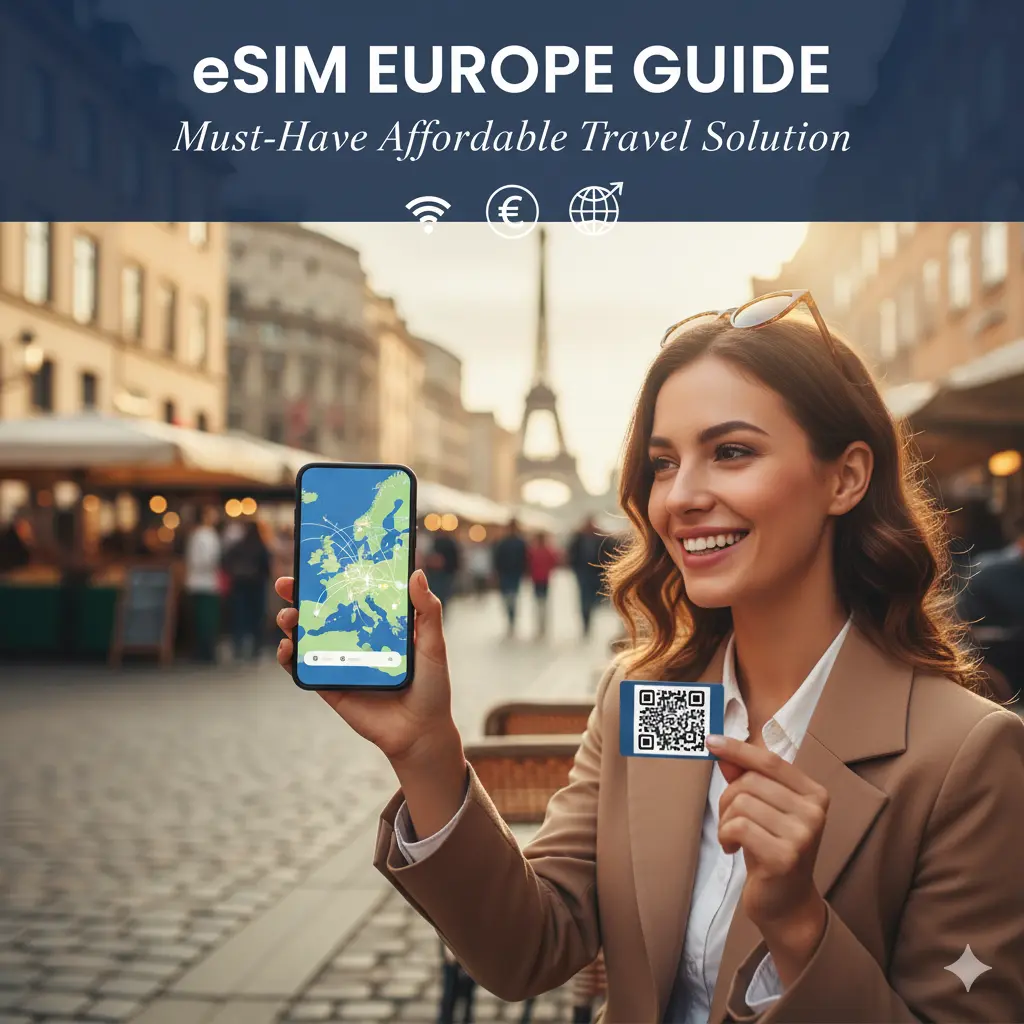
Once you select a provider, you can purchase your data plan through their website or app. After purchase, you’ll receive a QR code or activation link that you scan with your phone to download the eSIM profile.
Ensure you connect to Wi-Fi during activation. Once activated, you can easily switch between your physical SIM card and eSIM in your phone’s settings.
Step 4: Manage Your Data Usage
Keep track of your data allowances and usage to avoid unexpected charges. Many eSIM providers offer apps and notifications to help you monitor your consumption in real time.
Tips for Optimizing Your eSIM Experience in Europe
– Plan Ahead: Purchase your eSIM plan before departure to avoid connectivity issues upon arrival.
– Compare Coverage Maps: Some providers may offer better coverage in rural vs. urban areas, so check network coverage for the countries you plan to visit.
– Keep Your Physical SIM: If you rely on your home number, keep your physical SIM active alongside your eSIM for calls and texts.
– Download Offline Maps: Even with data, having offline maps as a backup can save you in areas with weak signal.
The Future of Travel Connectivity: Embracing eSIM Technology
As the travel world evolves, connectivity remains a top priority. The eSIM Europe guide highlights how this technology is revolutionizing mobile access for globetrotters. With more carriers adopting eSIM capabilities and wider device support, it’s clear that digital SIM cards will become the norm for smart, cost-effective travel solutions.
For anyone embarking on a European adventure, using an eSIM offers peace of mind, flexibility, and savings. It’s no longer necessary to purchase multiple physical SIMs or pay exorbitant roaming fees. Instead, eSIMs empower travelers to stay connected effortlessly, making the most of every moment spent exploring the diverse countries and cultures Europe has to offer.
Whether crossing the Romantic Rhine in Germany, snapping a photo at Paris’s Eiffel Tower, or enjoying the coastal views of the Amalfi Coast in Italy, your reliable eSIM data plan will keep you online and in touch, wherever your European journey leads.
—
In conclusion, adopting an eSIM for your European travels is a must-have affordable solution that combines convenience, cost-efficiency, and versatility. As you prepare for your next trip, consider this innovative technology your ultimate travel companion for seamless connectivity across Europe.