Data roaming is an essential feature many travelers rely on to stay connected when journeying abroad. Whether you need to check maps, translate signs, post on social media, or stay in touch with loved ones, mobile data roaming enables you to use your smartphone just as you would at home. However, without proper planning, data roaming charges can quickly turn into an unexpected expense, turning your dream trip into a costly adventure. This article delves into the concept of data roaming and offers practical tips to help you keep your travel connectivity affordable and hassle-free.
What is Data Roaming?
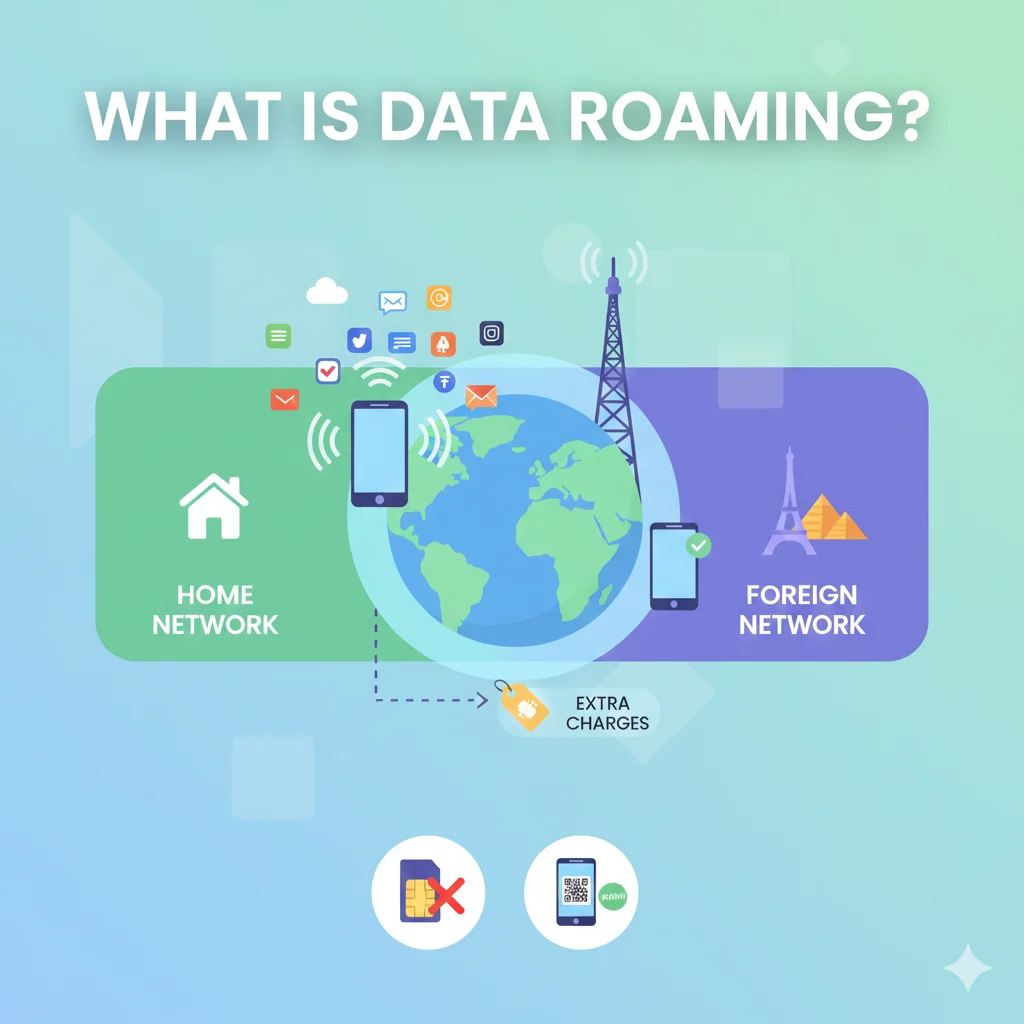
Data roaming occurs when your mobile device connects to a network outside your home carrier’s coverage area, typically when you travel to a different country. Instead of using your primary provider’s network, your device “roams” onto a foreign network to access data services like internet browsing, app usage, email, and messaging. Because this involves agreements between your carrier and foreign networks, additional fees often apply, which can vary dramatically depending on your provider and destination.
Understanding how data roaming works is key to managing your mobile costs while abroad. When your phone is roaming, every megabyte of data you consume could incur charges that far exceed domestic rates. Without a strategy, it’s easy to accumulate high bills from simple activities like checking emails or loading social media.
Must-Have Tips for Affordable Travel Connectivity
1. Research Your Carrier’s International Plans
Before you pack your bags, check with your mobile provider regarding international data plans or roaming packages. Many carriers offer affordable daily or monthly passes specifically designed for travelers, which can significantly reduce roaming fees. Some providers also have partnerships with foreign networks that offer better rates than standard roaming charges.
Make sure to read the fine print on data limits and coverage areas. Choosing the right plan can not only save you money but also ensure you have consistent service wherever you visit.
2. Use Local SIM Cards When Possible
For longer trips or frequent international travel, buying a local SIM card at your destination is often the most cost-effective way to get data roaming. Local SIMs generally come with data bundles at a fraction of the price charged by roaming services.
You will need an unlocked phone for this option, but it can give you access to high-speed data and local calling rates. Additionally, using a local SIM supports seamless internet access without depending on your home provider’s roaming agreements.
3. Connect to Wi-Fi Whenever Available
Maximize your use of Wi-Fi by connecting to trusted networks in cafes, hotels, airports, and other public places. This practice can drastically reduce your reliance on cellular data, conserving your roaming allowance or local data budget.
Be mindful of security when using public Wi-Fi—avoid sensitive transactions unless you are connected to a secure VPN. Also, consider downloading offline maps and necessary content before your trip to limit the need for constant internet access.
4. Disable Background Data and Automatic Updates
Many smartphone applications consume data in the background through automatic updates, synchronization, and push notifications. When roaming, these automatic processes can quickly drain your data allowance and increase costs.
Take the time to disable background data usage for non-essential apps before traveling. On both iOS and Android devices, you can restrict data access and turn off auto-updates while roaming. This way, your data will be used only when you decide to connect.
5. Monitor Your Data Use Closely
Keeping an eye on your data consumption is vital to avoid surprise charges. Most smartphones have built-in data usage trackers that show how much data you’ve used within a specific period.
Set daily or weekly limits based on your roaming plan and check your usage regularly. Many carriers also provide apps or shortcodes to monitor your roaming data balance in real time.
6. Consider Portable Wi-Fi Hotspots
Portable Wi-Fi devices, or “MiFi,” allow you to create your own personal Wi-Fi connection using a local or international SIM card. These devices are great for business travelers or groups who need to connect multiple devices simultaneously without incurring roaming charges on every phone.
You can rent or purchase portable hotspots in many countries, giving you control over your internet access cost while maintaining fast and reliable connectivity.
Wrapping Up: Smart Data Roaming for Stress-Free Travel
Traveling with data roaming capabilities can bring peace of mind and convenience, but it requires some preparation to avoid hefty expenses. By understanding how data roaming works and adopting these must-have tips, you can enjoy affordable and reliable connectivity no matter where your journeys take you.
Whether you opt for an international plan through your carrier, switch to a local SIM, or leverage Wi-Fi hotspots, the key is to stay informed and proactive about your data usage. Doing so will help you make the most of your mobile devices without breaking the bank during your travels. Safe and connected travels await!
The entire concept of “data roaming” is transformed by using a commbitz eSIM, which allows you to bypass the punitive rates and bill shock associated with traditional home-carrier roaming. Instead of relying on expensive, temporary agreements between your home provider and a foreign network, commbitz offers prepaid, local data plans in over 190 countries, ensuring you connect instantly on arrival at affordable, transparent rates with no hidden fees, making it the superior, budget-friendly solution for global connectivity.