
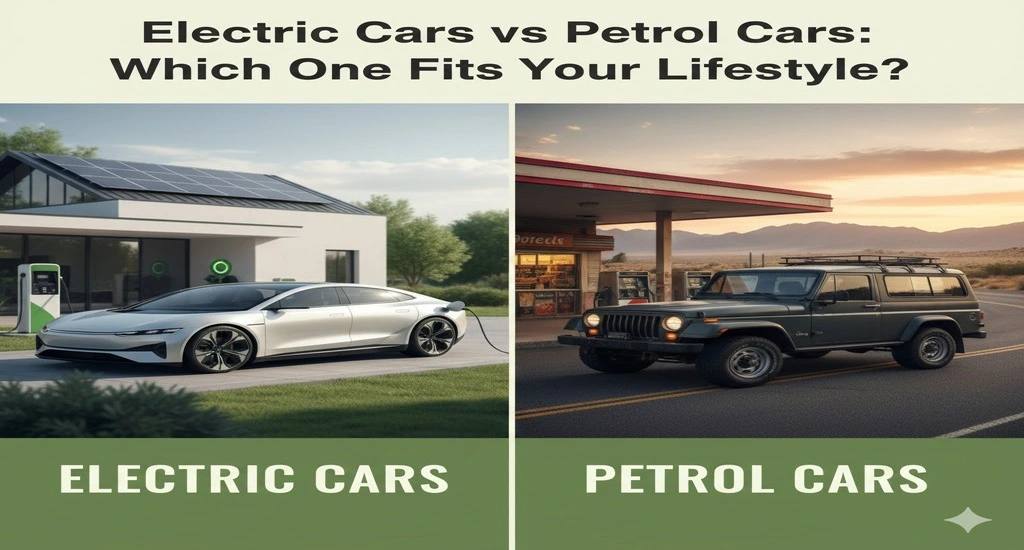
The automotive landscape in the United Arab Emirates is undergoing a significant transformation. For decades, the roar of a petrol engine was the standard soundtrack for drivers in the region. However, the silent efficiency of electric vehicles is becoming increasingly common on our roads. This shift presents a new dilemma for prospective buyers.
Choosing a new vehicle is no longer just about brand preference or body style. It now involves a fundamental choice between two very different technologies. This decision impacts everything from your monthly budget to your daily routine. Understanding the nuances of electric cars vs petrol cars is essential for making the right purchase.
Drivers must weigh factors such as initial cost against long term savings. Convenience, driving habits, and access to infrastructure also play critical roles. This guide aims to navigate these considerations to help you find the perfect match for your lifestyle.
Understanding the Core Difference Between Electric and Petrol Cars
At the most basic level, these vehicles differ in how they generate movement. A petrol car relies on an internal combustion engine that burns fuel to create power. This process involves hundreds of moving parts working in synchronization. It is a technology that has been refined over a century.
In contrast, an electric vehicle, or EV, uses energy stored in a battery pack to power an electric motor. This system is mechanically simpler with far fewer moving parts. There is no transmission in the traditional sense, and no exhaust system is required.
These fundamental differences dictate the driving characteristics and maintenance needs of each vehicle. For a first time buyer, understanding this mechanical distinction is the first step. It sets the stage for comparing performance and usability.
How Electric Motors and Petrol Engines Work
Petrol engines operate through a series of controlled explosions inside cylinders. Pistons move up and down, turning a crankshaft that eventually turns the wheels. This process generates heat, noise, and vibration as a natural byproduct.
Electric motors use magnetic fields created by electricity to spin a shaft. This process is nearly silent and produces instant rotation. There is no need to wait for engine revolutions to build up before power is delivered.
This difference results in a distinct feel behind the wheel. Petrol cars offer a mechanical engagement that many drivers love. Electric cars offer a smooth and linear surge of power that feels modern and effortless.
Daily Driving Experience, What Changes in Real Life
The way a car feels during your daily commute can significantly impact your satisfaction. Petrol cars have a familiar rhythm of gear changes and engine notes. The engine response varies depending on the gear and the speed.
Electric cars provide a seamless experience with no gear shifts to interrupt power delivery. The cabin is typically much quieter, which reduces driver fatigue. However, the lack of engine noise can be disorienting for some at first.
In the UAE, where air conditioning is constant, both systems handle the load differently. Petrol engines run compressors off the engine belt. Electric cars run compressors off the high voltage battery.
City Commuting in Dubai and Abu Dhabi
For residents navigating the busy streets of Dubai or Abu Dhabi, stop and go traffic is a reality. Electric vehicles excel in this environment due to regenerative braking. This system recovers energy when slowing down, which helps extend range in traffic.
Petrol cars tend to be least efficient in heavy traffic. Idling burns fuel without moving the vehicle, and frequent acceleration consumes more. The constant shifting of an automatic transmission can also be less smooth in gridlock.
Parking is another consideration for city drivers. Many malls and public areas in the UAE now offer dedicated parking spots for EVs. This convenience can save time during busy weekends or peak hours.
Cost of Ownership Over Time
When comparing electric cars vs petrol cars, the financial picture extends beyond the showroom price. Electric vehicles often command a higher upfront cost due to expensive battery technology. However, this gap is narrowing as technology improves.
Petrol cars generally have a lower entry price, making them accessible to a wider range of budgets. Yet, the ongoing costs of fuel can add up quickly. It is important to calculate the total cost of ownership over three to five years.
This calculation should include fuel or electricity, insurance, registration, and maintenance. Incentives provided by banks or the government for green vehicles can also influence the final numbers.
Fuel, Charging, and Maintenance Expenses in UAE
Fuel prices in the UAE fluctuate based on global oil markets. While still affordable compared to Europe, filling a large SUV tank is a significant monthly expense. Charging an EV at home is generally cheaper per kilometer than buying petrol.
However, public charging stations may have different tariff rates. It is vital to compare the cost of a full tank versus a full charge. Maintenance costs also tend to diverge significantly over time.
Petrol cars require regular oil changes, filter replacements, and transmission services. EVs skip many of these tasks, leading to lower scheduled maintenance bills. This reduction in service visits saves both money and time for the owner.
Maintenance and Long Term Care Considerations
Owning a car involves a commitment to keeping it roadworthy. For petrol owners, this means monitoring engine health, belts, and spark plugs. The complexity of the internal combustion engine means there are more potential points of failure as the car ages.
Electric cars require less mechanical sympathy in the drivetrain department. There are no timing belts to snap or head gaskets to blow. However, the battery health is the primary concern for long term ownership.
Battery degradation happens slowly over many years. Modern EVs have sophisticated thermal management systems to minimize this. Understanding warranty coverage for batteries is crucial for peace of mind.
Common Wear Items Drivers Still Need to Consider
It is a myth that electric cars require zero maintenance. Both types of vehicles share many standard components that wear out with use. Suspension systems, brakes, and wipers need attention regardless of the power source.
Tyres are a critical component for safety and efficiency on any vehicle. In fact, the instant torque and heavy battery weight of EVs can accelerate rubber wear. Regardless of the power source, owners must regularly inspect and replace consumables like car tires to ensure safety and performance on UAE roads.
Neglecting these basics affects handling and braking distance. Regular inspections are still necessary to catch alignment issues or suspension wear. A well maintained car is safe, no matter what engine it has.
Driving Range, Refuelling, and Charging Convenience
Range anxiety is the most cited concern for potential EV buyers. It is the fear of running out of power before reaching a charging station. Petrol cars offer the security of a vast network of fuel stations across the Emirates.
Refuelling a petrol car takes five minutes and offers hundreds of kilometers of range. Recharging an EV takes longer, even with fast chargers. This requires a shift in mindset and planning for the driver.
For homeowners with a private garage, charging overnight is incredibly convenient. You wake up every morning with a “full tank” without visiting a station. For apartment dwellers, relying on public infrastructure can be more challenging.
Highway Driving and Long Distance Travel in UAE
Driving from Dubai to Fujairah or Ras Al Khaimah involves highway speeds. At 120 km/h or 140 km/h, energy consumption increases for both vehicle types. However, EVs are more sensitive to high speeds than petrol cars.
Aerodynamic drag drains the battery faster on highways. Drivers planning long road trips need to know where high speed chargers are located. Petrol drivers have the luxury of stopping at any service station along the route.
The infrastructure in the UAE is growing rapidly. Most major highways now feature fast charging points. However, during peak travel times, there may be a wait for a plug.
Environmental Impact and Sustainability Factors
For many buyers, the environmental impact is a deciding factor. Electric cars produce zero tailpipe emissions. This contributes to cleaner air in urban centers and reduces noise pollution.
Petrol cars emit carbon dioxide and other pollutants during operation. Manufacturers have made great strides in cleaning up these emissions, but they are not zero. For eco conscious drivers, the choice is clear.
It is also important to consider the source of the electricity. If the power grid uses fossil fuels, the EV is not entirely emission free. However, as the UAE invests in solar and nuclear energy, the grid becomes greener.
Battery production and disposal are valid environmental concerns. Mining for materials like lithium and cobalt has an ecological footprint. However, recycling programs are improving to mitigate this impact.
Which Option Fits Different Lifestyles Best
The decision between electric cars vs petrol cars is rarely black and white. It depends on your specific daily routine and housing situation. Matching the vehicle to your lifestyle ensures long term satisfaction.
If you have a predictable commute and home charging, an EV is seamless. If your schedule is erratic and involves long distances, petrol offers flexibility. Analyzing your weekly driving patterns reveals the best fit.
Consider how often you drive beyond city limits. Think about your patience for planning stops on road trips. These practical realities matter more than theoretical range.
Best Choice for Urban Drivers, Families, and Frequent Travellers
For the urban professional living in Dubai, an EV is often superior. The silent drive and low running costs suit city life perfectly. Access to mall chargers allows for top ups while shopping or dining.
Families often require larger vehicles like SUVs. While electric SUVs exist, they carry a premium price tag. Petrol SUVs offer a wider range of options and price points for family buyers.
Frequent travellers who drive across the GCC borders face different challenges. Charging infrastructure in neighbouring countries may not be as developed. A petrol vehicle remains the safer bet for cross border adventures.
FAQ Section
Are electric cars practical for daily driving in the UAE?
Yes, especially for city commuting with available charging options.
Do petrol cars still make sense in the UAE?
Yes, they offer refuelling convenience for long distance driving.
Is EV maintenance cheaper than petrol cars?
Generally yes, due to fewer mechanical components.
Does UAE heat affect electric cars?
Yes, but modern EVs are designed to handle high temperatures.
Conclusion
The debate of electric cars vs petrol cars does not have a single winner. The right choice depends entirely on your individual circumstances. It is a balance of cost, convenience, and conscience.
Electric cars offer a glimpse into the future with low running costs and smooth performance. They reward drivers who can charge at home and have predictable routines. They are a statement of sustainability and modern living.
Petrol cars remain the champions of flexibility and lower upfront costs. They offer the freedom to drive anywhere without planning for charge points. For high mileage highway drivers, they still hold a significant advantage.
Take the time to test drive both options. Evaluate your budget and your daily habits honestly. Whether you choose the plug or the pump, the UAE market offers excellent options for every driver.