Nerve pain can be challenging to describe and even more difficult to manage. Unlike typical pain caused by an injury, neuropathic pain may continue because of changes or damage to the nerves themselves. Burning, tingling, numbness, stabbing sensations, and sudden shooting pain are common symptoms.
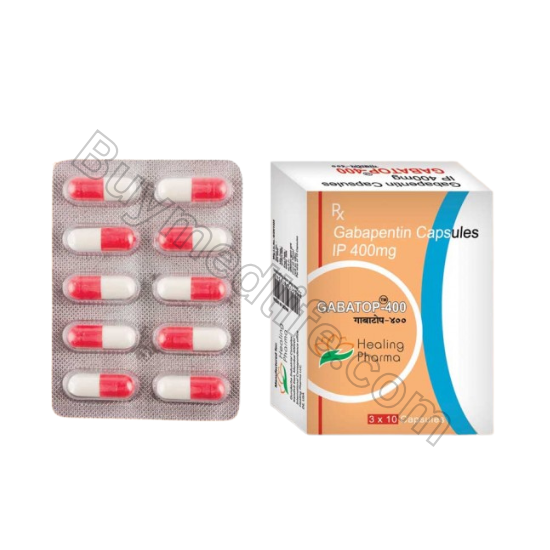
Gabapentin 400 mg is a prescription medication that may be used to help manage certain types of nerve pain. It works differently from conventional pain relievers and is generally introduced and adjusted according to an individual’s medical needs.
Understanding Neuropathic Pain
Nerve pain occurs when nerves send abnormal signals to the brain. Conditions such as diabetes, shingles, nerve injuries, and certain neurological problems may contribute to neuropathic pain.
The symptoms may vary considerably. Some people experience constant burning or tingling, while others may have sudden bursts of sharp or electric-shock-like pain. Even light touch can sometimes feel uncomfortable.
Because the underlying cause differs from one person to another, treatment is often personalized.
What Is Gabapentin 400 mg?
Gabapentin is a prescription medicine used for specific types of nerve pain and certain seizure disorders. The 400 mg strength may be prescribed when a healthcare professional determines that a patient requires a particular dose as part of their treatment plan.
Gabapentin is not a conventional anti-inflammatory painkiller. Instead, it is thought to influence abnormal nerve activity involved in pain signaling. By helping regulate excessive nerve signals, it may reduce the intensity of certain neuropathic symptoms.
How It May Help Nerve Pain
Gabapentin may help reduce symptoms associated with abnormal nerve signaling, including:
- Burning sensations
- Tingling or pins and needles
- Shooting or stabbing pain
- Electric-shock-like sensations
- Increased sensitivity to touch
The response is not always immediate. Some people may notice improvement after treatment begins, while others may need gradual dose adjustments before experiencing meaningful symptom relief.
Gabapentin 400 mg Dosage Considerations
There is no single dosage that is appropriate for every person with nerve pain. A healthcare professional may consider the patient’s condition, age, kidney function, other medications, and response to treatment when determining the appropriate dosage.
Treatment may begin with a lower dose and be increased gradually if needed. Gabapentin 400 mg may be used as one scheduled dose within a patient’s daily treatment plan. The total daily amount and frequency should be determined by a healthcare professional.
Patients should never increase their dose independently. Taking more Gabapentin than prescribed may increase the risk of side effects such as excessive sleepiness, dizziness, and problems with coordination.
Gabapentin should also not be discontinued suddenly without medical guidance. A healthcare professional can advise on the safest way to reduce or stop treatment when appropriate.
Common Side Effects
Some people taking Gabapentin may experience side effects, particularly during the early stages of treatment or after a dose adjustment. Possible side effects include:
- Drowsiness
- Dizziness
- Fatigue
- Blurred vision
- Coordination difficulties
- Swelling in the extremities
If dizziness or sleepiness occurs, patients should avoid driving or using machinery until they know how the medicine affects them.
Severe allergic reactions or serious breathing difficulties require urgent medical attention.
Gabapentin and Other Medicines
Gabapentin may interact with medicines that cause drowsiness or slow activity in the central nervous system. These may include certain opioid medicines, sleeping tablets, and other sedating medications.
Alcohol may also worsen dizziness and drowsiness. Patients should discuss their medication and alcohol use with a healthcare professional.
People with kidney problems may require a different dosage because Gabapentin is primarily eliminated through the kidneys. Always share relevant medical history with your doctor before beginning treatment.
A Broader Approach to Nerve Pain Management
Medication is only one part of managing nerve pain. Depending on the cause, a healthcare professional may also recommend treating an underlying condition, physical therapy, lifestyle adjustments, or other supportive approaches.
Managing conditions such as diabetes effectively, following a healthy routine, and attending medical follow-ups may also contribute to better long-term symptom management.
Final Thoughts
Gabapentin 400 mg may be prescribed to help manage certain forms of nerve pain associated with abnormal nerve activity. It may help reduce burning, tingling, shooting pain, and other uncomfortable sensations, although the response varies from person to person.
The appropriate dosage should always be individualized, and treatment may require gradual adjustment. Use Gabapentin only as directed by a qualified healthcare professional, and discuss potential interactions or concerns before starting treatment. For additional medication information and product research, buymedlife can provide helpful online resources.