
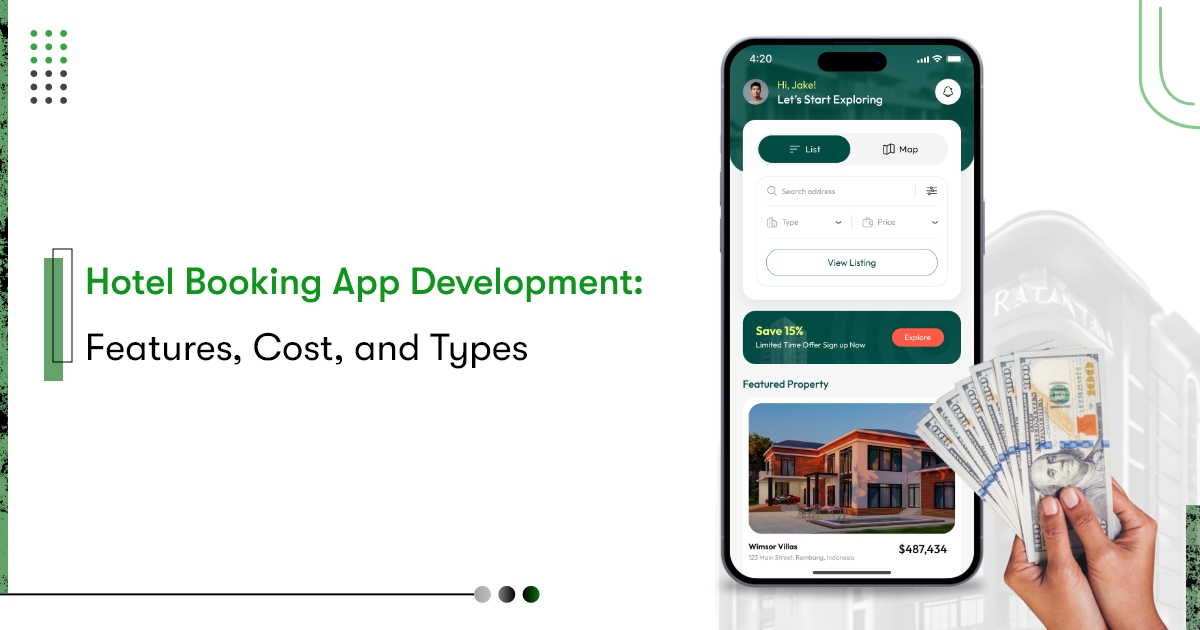
The hospitality industry has undergone a massive digital transformation over the last decade, and mobile applications are at the center of this evolution. What was once a process involving travel agents, phone calls, or desktop browsing has now shifted entirely to smartphones. Today, travelers expect speed, personalization, transparency, and convenience — all of which are delivered seamlessly through mobile hotel booking apps.
This shift has not only changed how customers book hotels but also how hotels operate, market themselves, and build long-term relationships with guests. In this article, we explore how mobile apps are transforming the hotel booking experience and why hotel booking app development is a critical investment for hospitality businesses.
The Rise of Mobile-First Travel Planning
Smartphones have become travel companions. From planning trips to managing bookings, travelers rely on mobile apps at every stage of their journey. According to industry trends, a significant percentage of hotel reservations now happen via mobile devices, especially among millennials and Gen Z travelers.
This mobile-first mindset has pushed hotels and travel platforms to prioritize app-based solutions. A well-designed hotel booking app offers instant access, faster navigation, and a smoother experience compared to traditional websites, making it the preferred choice for today’s users.
Simplifying the Booking Journey
One of the most noticeable transformations brought by mobile apps is the simplification of the booking process. In just a few taps, users can:
-
Search hotels by destination
-
Compare prices and amenities
-
View room images and availability
-
Complete secure payments
-
Receive instant booking confirmations
This streamlined experience reduces friction and abandonment rates. Travelers no longer need to jump between multiple websites or contact customer support — everything is accessible within a single app interface.
Personalization That Enhances User Satisfaction
Modern travelers value experiences tailored to their needs. Mobile apps excel at delivering personalization by leveraging user data and behavior insights. With intelligent algorithms, hotel booking apps can offer:
-
Personalized hotel recommendations
-
Customized pricing and offers
-
Saved preferences for future bookings
-
Targeted deals based on travel history
This personalized approach not only improves customer satisfaction but also increases conversion rates. Businesses that invest in advanced hotel booking app development can build apps that learn and adapt to user preferences over time.
Real-Time Information for Smarter Decisions
Accuracy and transparency play a vital role in travel planning. Mobile apps provide real-time updates that help travelers make informed decisions. These include:
-
Live room availability
-
Dynamic pricing updates
-
Last-minute deals and cancellations
-
Instant confirmation notifications
Real-time access eliminates uncertainty and builds trust between hotels and guests. For travelers, it ensures peace of mind; for hotels, it reduces booking conflicts and operational inefficiencies.
Advanced Search and Smart Filters
Choosing the right hotel can be overwhelming, especially in popular destinations. Mobile apps simplify this decision-making process with advanced search features and smart filters. Users can narrow down options based on:
-
Budget range
-
Star ratings
-
Location proximity
-
Amenities like Wi-Fi, pool, or parking
-
Guest reviews and ratings
With location-based search using GPS technology, travelers can also discover nearby hotels instantly. These features save time and improve the overall user experience.
The Power of Reviews and Visual Content
Trust is a key factor in hotel bookings. Mobile apps build trust by showcasing authentic user reviews, ratings, and high-quality visuals. Travelers rely heavily on:
-
Verified guest feedback
-
Real photos uploaded by users
-
Detailed descriptions of rooms and facilities
This transparency reduces booking anxiety and increases confidence. Hotels with positive reviews and engaging visuals gain a competitive advantage, making reviews an essential component of modern booking apps.
Secure and Flexible Payment Options
Mobile apps have made hotel payments safer and more convenient. With integrated payment gateways, users can choose from multiple payment options, including:
-
Credit and debit cards
-
Digital wallets
-
UPI and net banking
-
International payment solutions
Advanced encryption and security protocols ensure that transactions are safe, boosting user trust. Easy refunds and cancellation policies further enhance the booking experience.
Push Notifications for Real-Time Engagement
Unlike websites, mobile apps allow hotels to stay connected with users through push notifications. When used strategically, notifications can significantly improve engagement. Hotels can notify users about:
-
Exclusive app-only discounts
-
Seasonal offers
-
Booking reminders
-
Price drops for saved hotels
This direct communication channel helps businesses maintain visibility and encourages repeat bookings without intrusive marketing.
Contactless Services and Digital Convenience
The demand for contactless solutions has increased significantly in recent years. Mobile apps now extend beyond booking to enhance the on-property experience. Many hotel apps support:
-
Digital check-in and check-out
-
Mobile room keys
-
In-app room service requests
-
Concierge and support chat
These features reduce wait times, improve operational efficiency, and create a smoother guest experience. Travelers enjoy greater independence, while hotels benefit from streamlined service management.
AI and Automation in Hotel Booking Apps
Artificial intelligence is transforming how hotel booking apps operate. AI-powered features enable apps to become smarter and more responsive. Some key applications include:
-
Chatbots for instant customer support
-
Predictive pricing suggestions
-
Personalized travel recommendations
-
Behavior-based content optimization
AI-driven automation improves user satisfaction while reducing manual workload for hotels. This technological advancement is now a core component of modern hotel booking app development strategies.
Benefits of Mobile Apps for Hotels
While mobile apps enhance the traveler’s experience, they also provide significant advantages for hotels and hospitality businesses.
Increased Direct Bookings
Hotel apps encourage direct reservations, helping businesses reduce dependency on third-party platforms and avoid high commission fees.
Stronger Customer Loyalty
Integrated loyalty programs reward repeat customers with exclusive offers, discounts, and benefits, fostering long-term relationships.
Better Data Insights
Apps provide valuable data on customer behavior, preferences, and booking patterns. This data helps hotels optimize pricing, marketing, and services.
Operational Efficiency
Automated bookings, digital communication, and in-app service requests improve internal processes and reduce operational costs.
The Importance of Choosing the Right Development Partner
Creating a high-performing hotel booking app requires technical expertise, industry understanding, and a user-centric approach. Partnering with a Reliable App Development Company Bangalore or a similar technology hub ensures access to skilled professionals who understand scalable and secure app architecture.
An experienced development partner can help with:
-
UI/UX design optimized for conversions
-
Integration with hotel management systems
-
Secure payment and data protection
-
Ongoing maintenance and feature upgrades
Choosing the right development team plays a crucial role in the long-term success of a hotel booking app.
Emerging Trends Shaping the Future
The evolution of hotel booking apps is far from over. Several emerging technologies are expected to further redefine the booking experience:
-
Augmented Reality (AR): Virtual room tours before booking
-
Voice Search: Hands-free hotel discovery
-
Blockchain Payments: Transparent and secure transactions
-
Smart Recommendations: Context-aware suggestions based on travel intent
Hotels that adopt these innovations early will stay ahead in an increasingly competitive digital landscape.
Conclusion
Mobile apps have completely transformed the hotel booking experience by making it faster, smarter, and more personalized. From discovery and booking to check-in and post-stay engagement, mobile technology touches every stage of the customer journey.
For hotels and travel businesses, investing in hotel booking app development is essential to meet modern traveler expectations and drive sustainable growth. By collaborating with a skilled app development company Bangalore, businesses can create robust, user-friendly apps that enhance customer satisfaction, increase bookings, and build lasting brand loyalty.
As travel continues to evolve, mobile apps will remain the driving force behind innovation in the hospitality industry — shaping how travelers explore, book, and experience hotels worldwide.