
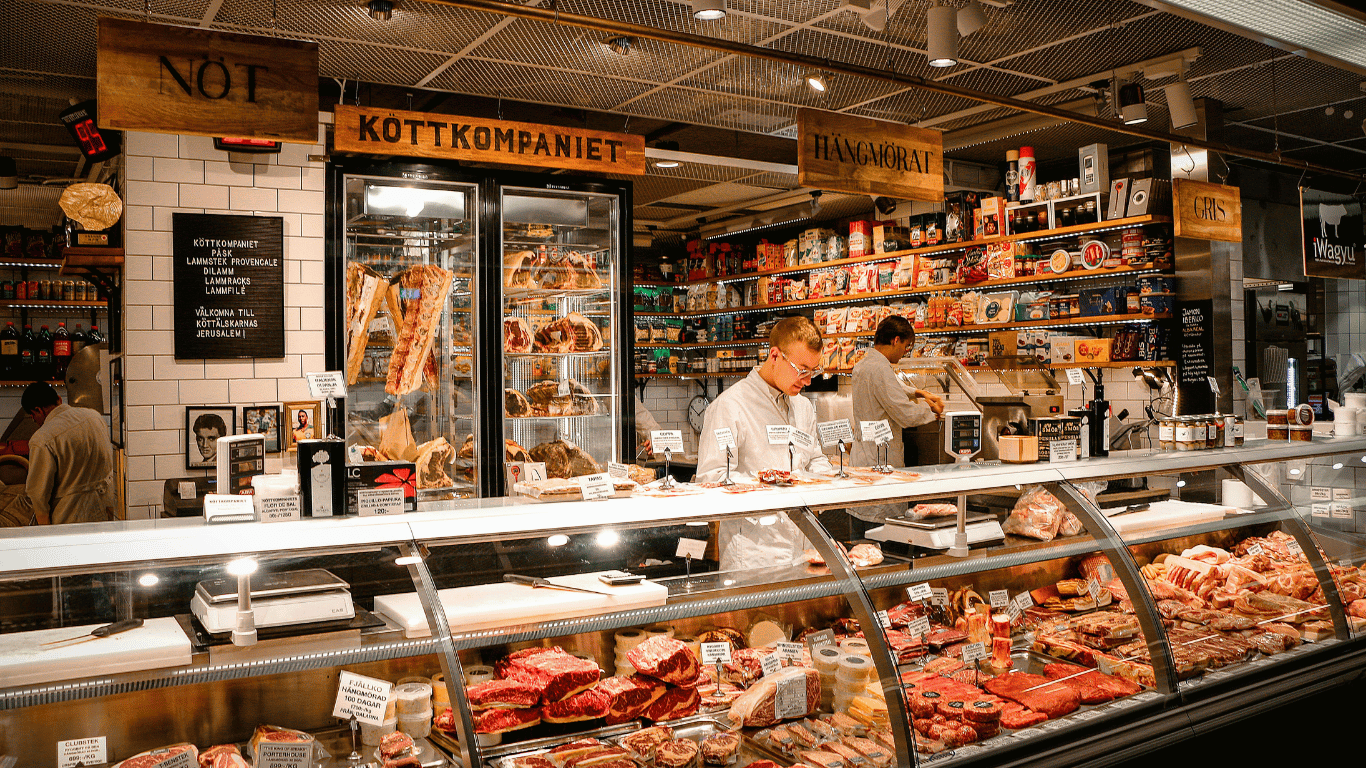
The South Korea retail market is poised for steady expansion over the next decade, supported by strong digital infrastructure, evolving consumer preferences, and continuous innovation in omnichannel retail strategies. The South Korea retail market size was approximately USD 523.17 Billion in 2025 and is assessed to grow at a CAGR of 4.40% between 2026 and 2035, reaching a projected value of USD 804.73 Billion by 2035. The consistent growth of the South Korea retail market highlights the country’s advanced consumer economy and its ability to adapt to rapidly shifting shopping behaviors.
South Korea is widely recognized as one of the most technologically advanced and digitally connected markets in the world. With high internet penetration, widespread smartphone usage, and a digitally savvy population, the retail sector is undergoing rapid transformation. E-commerce, mobile commerce (m-commerce), and social commerce are reshaping the competitive landscape, while traditional brick-and-mortar retailers are integrating advanced technologies to enhance customer experiences.
Overview of the South Korea Retail Market
The South Korea retail market encompasses a wide range of segments, including:
- Supermarkets and hypermarkets
- Department stores
- Convenience stores
- Specialty stores
- Online retail and e-commerce platforms
- Duty-free retail
- Luxury retail
The market reflects a dynamic balance between traditional retail formats and digital channels. Consumers increasingly demand seamless shopping experiences that combine physical stores with online convenience.
Market Size and Forecast
- Market Size in 2025: USD 523.17 Billion
- Projected Market Size in 2035: USD 804.73 Billion
- CAGR (2026–2035): 4.40%
The projected growth demonstrates moderate but stable expansion, supported by technological integration, rising disposable incomes, and premiumization trends.
Key Growth Drivers of the South Korea Retail Market
1. Rapid Expansion of E-Commerce
South Korea is one of the global leaders in e-commerce penetration. Consumers increasingly rely on online platforms for groceries, fashion, electronics, and lifestyle products. Fast delivery services, including same-day and next-day shipping, have become standard expectations.
Major retailers have heavily invested in logistics networks, fulfillment centers, and AI-driven inventory management systems to meet growing online demand.
2. Strong Digital Infrastructure
High-speed internet connectivity and 5G networks provide a strong foundation for digital retail expansion. Mobile commerce plays a significant role in the South Korea retail market, as consumers frequently use smartphones for browsing, price comparisons, and purchases.
Digital payment systems and contactless transactions are widely adopted, further facilitating retail growth.
3. Changing Consumer Preferences
South Korean consumers increasingly prioritize:
- Convenience
- Product quality
- Sustainability
- Personalization
- Premium experiences
The growing demand for organic foods, health-focused products, eco-friendly packaging, and ethical sourcing is influencing retail strategies across the country.
4. Growth in Convenience Stores
Convenience stores remain a dominant retail format in South Korea. Their extensive presence in urban areas and 24/7 accessibility cater to fast-paced lifestyles. These stores now offer expanded services, including ready-to-eat meals, parcel pickup, bill payments, and digital services.
5. Rising Demand for Premium and Luxury Products
Luxury and premium segments are growing due to increasing disposable income and strong consumer interest in global brands. South Korea has become a key market for international fashion, cosmetics, and lifestyle brands.
Market Segmentation
By Retail Format
- Hypermarkets & Supermarkets
- Department Stores
- Convenience Stores
- Specialty Stores
- Online Retail
Online retail is the fastest-growing segment, while convenience stores maintain widespread penetration.
By Product Category
- Food & Beverages
- Apparel & Footwear
- Electronics & Appliances
- Personal Care & Cosmetics
- Household Goods
- Others
Food and beverages hold the largest share, followed by electronics and fashion.
Technological Innovations in the South Korea Retail Market
AI and Data Analytics
Retailers are leveraging artificial intelligence and big data analytics to enhance inventory forecasting, personalize marketing campaigns, and optimize pricing strategies.
Smart Stores and Automation
Unmanned stores and cashier-less checkout systems are gaining popularity. Automated kiosks and self-checkout systems improve operational efficiency and reduce labor dependency.
Social Commerce
Social media platforms play a critical role in influencing purchasing decisions. Live-stream shopping and influencer marketing campaigns are increasingly integrated into retail strategies.
Regional Dynamics
Major metropolitan areas such as Seoul, Busan, and Incheon dominate retail activity. Urban centers drive strong demand for both premium and convenience-oriented retail formats. Meanwhile, suburban and regional markets are witnessing gradual expansion supported by infrastructure development.
Competitive Landscape
The South Korea retail market is highly competitive, featuring domestic retail giants, global brands, and emerging online platforms. Retailers compete through:
- Price competitiveness
- Fast delivery services
- Loyalty programs
- Exclusive brand collaborations
- Private label expansion
Strategic mergers, acquisitions, and partnerships continue to shape the competitive environment.
Challenges Facing the South Korea Retail Market
Despite steady growth, the market faces certain challenges:
- Rising labor costs
- Intense price competition
- Inflationary pressures
- Supply chain disruptions
- Demographic shifts, including aging population
Retailers must adapt to these structural challenges while maintaining profitability.
Future Outlook
The South Korea retail market is expected to grow steadily from USD 523.17 Billion in 2025 to USD 804.73 Billion by 2035, at a CAGR of 4.40%. The next decade will likely be defined by:
- Deeper digital integration
- Enhanced customer personalization
- Continued expansion of e-commerce
- Automation in logistics and retail operations
- Sustainable retail transformation
As technology continues to evolve, retailers that embrace innovation and customer-centric strategies will be best positioned for long-term success.
Frequently Asked Questions (FAQs)
Q1. What was the size of the South Korea retail market in 2025?
The South Korea retail market was valued at approximately USD 523.17 Billion in 2025.
Q2. What is the projected growth rate of the market?
The market is expected to grow at a CAGR of 4.40% between 2026 and 2035.
Q3. What will be the market size by 2035?
The market is projected to reach USD 804.73 Billion by 2035.
Q4. What factors are driving market growth?
Key drivers include e-commerce expansion, strong digital infrastructure, changing consumer preferences, and omnichannel retail integration.
Q5. Which segment is growing the fastest?
Online retail and mobile commerce are the fastest-growing segments in the South Korea retail market.
Q6. What challenges does the market face?
Challenges include rising operational costs, intense competition, demographic shifts, and supply chain pressures.